
Running a small or mid-sized company in Belgium usually means dealing with an endless stream of paper invoices, digital PDFs, and scattered spreadsheets. Office printers hum all day, while folders pile up on shelves and inside desktop directories. Bluehaven Capital Partners builds the digital bridges that connect these isolated corners into a single automated pipeline.
When accounting software does not talk to the customer database, people end up typing the same numbers twice. That repetitive task wastes valuable hours every week and introduces human error into critical financial records. Fixing this mess requires more than buying another piece of software because the real challenge lies in making existing tools work together harmoniously.
The Real Cost Of Manual Paperwork
Manual data entry drains energy from teams who should be focusing on growing the business instead of chasing missing receipts. Employees spend precious minutes opening email attachments, renaming files manually, and dragging them into dusty folders on a shared network drive. The inefficiency grows silently until a tax audit or a client query exposes the missing paper trail.
Belgian businesses face strict regulatory demands regarding electronic invoicing and archive retention periods. Failing to meet these standards invites heavy penalties and unnecessary stress for management. Automated systems remove this burden by validating every incoming document against legal requirements the moment it arrives on the server.
Connecting Accounting And Customer Databases
Bringing different software packages under one roof sounds terrifying to managers who remember failed IT projects from the past. Traditional enterprise software implementations drag on for months, disrupt daily operations, and cost a fortune in consulting fees. Smaller companies need a leaner approach that respects their budget and their current team structure.
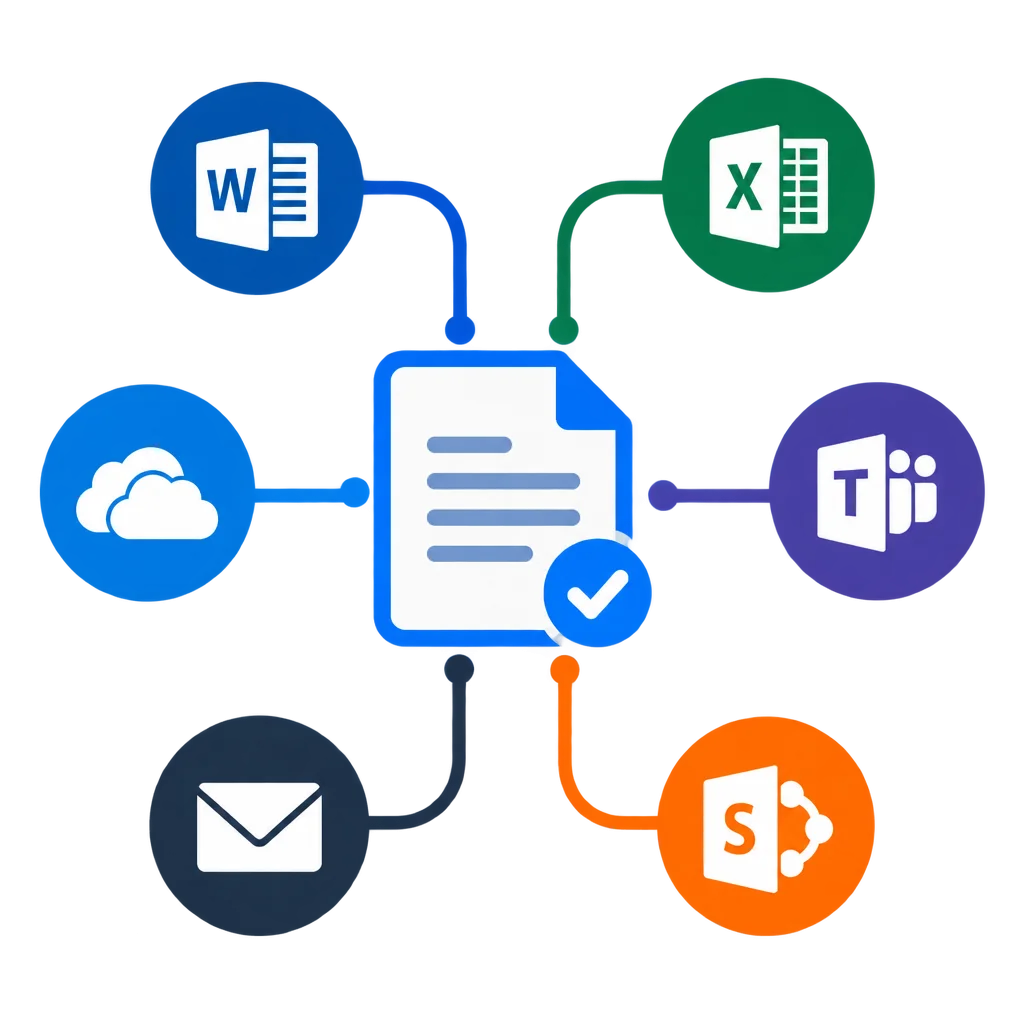
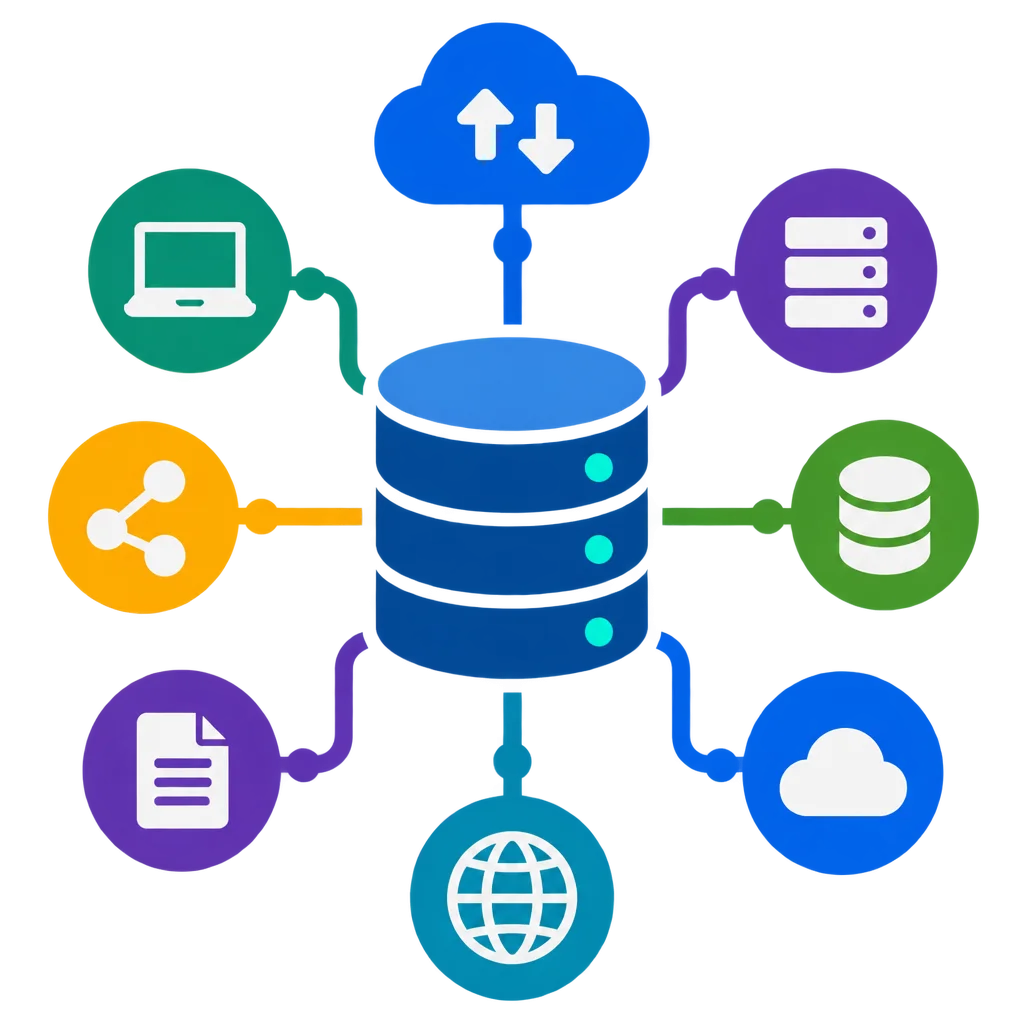
The integration process focuses on linking three essential pillars of daily operations:
- Accounting platforms for tax tracking
- Customer relationship management databases
- Secure long term digital archives
- Incoming electronic invoice processors
- Outgoing payment validation tools
Each component shares information instantly with its neighbors in the background. When an invoice gets paid in the bank, the accounting ledger updates itself and the customer file reflects the new status without human intervention.
A Smooth Rollout Without Operational Hiccups
Introducing new technology successfully depends entirely on how comfortable the staff feels using it on Monday morning. Complex interfaces full of buttons and hidden menus push employees back toward familiar paper habits. Bluehaven Capital Partners designs workflows that mirror the physical processes people already understand.
Training sessions happen right at the office desk with real documents from the company archive. Support engineers sit next to the bookkeeping team to answer questions and adjust settings on the fly. This hands-on approach ensures that the transition feels natural rather than forced.
Long Term Reliability And Local Support
Technology breaks down at the worst possible moments, leaving teams staring at error messages while clients wait for answers. Quick access to someone who speaks the local language and understands Belgian tax law makes all the difference during a crisis. Remote diagnostic tools allow support staff to spot bottlenecks inside the system before they cause a complete stoppage.
As the company takes on more clients and processes a higher volume of invoices, the infrastructure scales up smoothly behind the scenes. Additional storage space and new user accounts attach to the main framework without requiring a complete system rewrite.
Digital transformation is not a single project with a fixed end date, but rather an ongoing habit of refining how information moves through the office. Companies that embrace this fluidity find themselves better prepared for market shifts and regulatory changes alike.